
Navigating the complexities of wealth management as a business owner presents unique challenges and opportunities. Unlike personal finance, business wealth involves intricate considerations of business valuation, tax implications, succession planning, and the delicate balance between personal and professional financial goals. This guide explores strategies to effectively manage your financial well-being, ensuring both your business’s success and your long-term financial security.
From diversifying investments and mitigating risks to crafting comprehensive succession plans and fostering sustainable business growth, we’ll delve into practical strategies tailored to the specific needs of entrepreneurs. We’ll examine various investment vehicles, insurance policies, and estate planning options, providing you with a clear understanding of how to protect your assets and build lasting wealth.
Investment Strategies for Business Owners
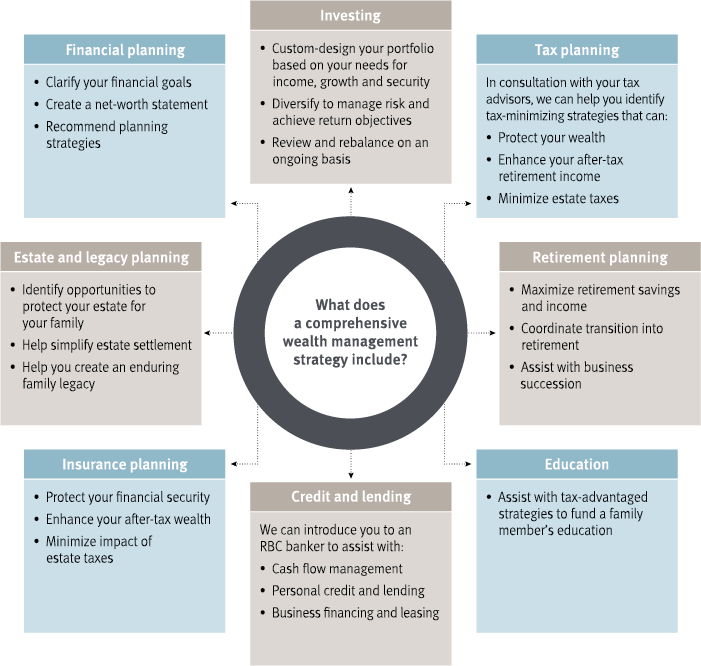
Effective wealth management is crucial for business owners, encompassing strategic investment planning tailored to individual risk tolerance, financial goals, and business lifecycle. This section delves into various investment strategies, considering both high-risk and retirement-oriented approaches, and the significant role of tax planning.
Diversified Investment Portfolio for High-Risk Tolerance
A business owner with a high-risk tolerance can benefit from a portfolio heavily weighted towards growth-oriented assets. This approach prioritizes potential for significant returns, accepting higher volatility in the short term. A suitable allocation might include a substantial portion in equities (e.g., 60-70%), focusing on a mix of domestic and international stocks, including both large-cap and small-cap companies, to diversify across sectors and geographies.
A smaller allocation (e.g., 15-20%) could be dedicated to alternative investments like venture capital, private equity, or cryptocurrency, which carry significantly higher risk but also offer the potential for substantial gains. The remaining portion (e.g., 10-15%) can be held in less volatile assets like high-yield bonds to provide some downside protection. Regular rebalancing is crucial to maintain the desired risk profile as market conditions change.
Sample Investment Plan for a Business Owner Nearing Retirement
For a business owner approaching retirement, the investment strategy shifts towards capital preservation and income generation. Risk tolerance generally decreases, favoring a more conservative approach. A sample portfolio might allocate 40-50% to fixed-income securities such as government bonds and high-quality corporate bonds, providing a stable income stream. Equities could comprise 30-40%, focusing on established, dividend-paying companies with a history of consistent performance.
Real estate, potentially in the form of rental properties or REITs, could account for 10-20%, offering both income and potential appreciation. The remaining portion could be held in cash or money market accounts for liquidity and emergency needs. This strategy prioritizes generating a reliable income stream to support retirement while mitigating significant investment losses.
Tax Planning in Wealth Management for Business Owners
Tax planning is an integral component of wealth management for business owners. Effective tax strategies can significantly impact long-term wealth accumulation. Strategies include maximizing contributions to tax-advantaged retirement accounts (like 401(k)s and SEP IRAs), utilizing tax-loss harvesting to offset capital gains, and strategically structuring business ownership to minimize tax liabilities. Consulting with a qualified tax advisor is crucial to develop a personalized tax plan that aligns with individual circumstances and investment goals.
For example, understanding the implications of different business structures (sole proprietorship, LLC, S-corp, C-corp) on taxation is essential for long-term financial planning.
Advantages and Disadvantages of Investment Vehicles for Business Owners
Various investment vehicles offer unique advantages and disadvantages for business owners.
| Investment Vehicle | Advantages | Disadvantages | Risk Profile |
|---|---|---|---|
| Stocks | High growth potential, diversification opportunities | Volatility, market risk | High |
| Bonds | Lower risk than stocks, stable income stream | Lower returns than stocks, interest rate risk | Moderate |
| Real Estate | Potential for appreciation, rental income, tax advantages | Illiquidity, management responsibilities, market fluctuations | Moderate to High |
| Private Equity | High potential returns, potential for diversification | Illiquidity, lack of transparency, high management fees | High |
Risk Management and Insurance for Business Owners
Protecting your business from unforeseen events is crucial for long-term success. A comprehensive risk management plan, incorporating appropriate insurance coverage, safeguards your financial stability and allows you to focus on growth. This section details key risks, mitigation strategies, and steps to build a robust risk management framework.
Key Risks Faced by Business Owners and Mitigation Strategies
Business owners face a multitude of risks, broadly categorized as financial, operational, and legal. Financial risks include cash flow problems, economic downturns, and bad debts. Operational risks encompass equipment malfunction, supply chain disruptions, and cybersecurity breaches. Legal risks involve lawsuits, regulatory violations, and intellectual property infringement. Mitigation strategies involve a combination of insurance policies, proactive business practices, and careful financial planning.
For example, maintaining sufficient cash reserves can buffer against unexpected expenses, while robust cybersecurity measures minimize the risk of data breaches. Comprehensive insurance policies transfer the financial burden of many risks to an insurer.
Examples of Crucial Insurance Policies
Several insurance policies are essential for most business owners. Life insurance protects the business and family in the event of the owner’s death, providing funds for business continuity or debt repayment. Disability insurance replaces income lost due to illness or injury, ensuring ongoing financial stability. Key person insurance covers the financial loss associated with the death or disability of a crucial employee, protecting the business from the disruption their absence would cause.
Other important policies include property insurance (covering buildings and equipment), liability insurance (protecting against lawsuits), and professional liability insurance (for professionals like doctors and lawyers). The specific needs will vary depending on the nature and size of the business.
Creating a Comprehensive Risk Management Plan
A comprehensive risk management plan involves a systematic approach to identifying, assessing, and mitigating potential threats. This process typically begins with a thorough risk assessment, identifying all potential risks facing the business. This assessment should consider both internal and external factors. Next, each risk should be analyzed to determine its likelihood and potential impact. Based on this analysis, appropriate mitigation strategies can be developed, including insurance coverage, risk avoidance, risk reduction, and risk transfer.
The plan should be regularly reviewed and updated to reflect changes in the business environment and the evolving risk profile.
Assessing and Transferring Business Risks: A Step-by-Step Guide
1. Identify Potential Risks
Conduct a thorough review of all aspects of the business, identifying potential hazards and vulnerabilities.
2. Assess Risk Likelihood and Impact
Determine the probability of each risk occurring and its potential financial and operational consequences.
3. Develop Mitigation Strategies
For each risk, devise strategies to reduce its likelihood or impact, such as implementing safety procedures, investing in technology, or purchasing insurance.
4. Implement and Monitor Mitigation Strategies
Put the chosen strategies into action and regularly monitor their effectiveness.
5. Transfer Unacceptable Risks
For risks that cannot be effectively mitigated through other means, consider transferring the risk through insurance or other risk transfer mechanisms.
6. Regularly Review and Update
The risk management plan should be a dynamic document, reviewed and updated at least annually, or more frequently if significant changes occur within the business.
Securing Adequate Insurance Coverage: A Step-by-Step Guide
Before securing insurance coverage, it’s crucial to understand your business’s specific needs and risk profile.
- Assess Your Risks: Identify all potential risks to your business, considering property, liability, and personnel.
- Determine Your Insurance Needs: Based on your risk assessment, identify the types of insurance coverage necessary to adequately protect your business.
- Obtain Quotes from Multiple Insurers: Compare quotes from several insurers to find the best coverage at a competitive price.
- Review Policy Details Carefully: Thoroughly review the policy documents before signing to ensure that the coverage meets your needs and that you understand the terms and conditions.
- Maintain Accurate Records: Keep accurate records of your insurance policies and any claims you file.
- Regularly Review Your Coverage: As your business grows and changes, review your insurance coverage to ensure it remains adequate.
Succession Planning and Estate Planning for Business Owners
Successfully transitioning a business and preserving family wealth requires careful planning. Succession planning focuses on the transfer of ownership and management, while estate planning encompasses the broader legal and financial strategies to minimize tax liabilities and ensure a smooth transfer of assets after the owner’s death. Both are crucial for the long-term health and prosperity of family-owned businesses.
Designing a Succession Plan for a Family-Owned Business
A well-structured succession plan addresses the transfer of both ownership and management control. This involves identifying potential successors, providing them with the necessary training and experience, and establishing a clear timeline for the transition. Crucially, the plan should also define roles and responsibilities for all family members involved, addressing potential conflicts proactively. For instance, a family might choose to gradually transfer shares over several years, allowing the next generation to gain experience while the current owner retains some oversight.
Alternatively, a formal mentorship program could be implemented, pairing experienced family members with those who are expected to take over. A clear exit strategy for the retiring owner should also be established, considering factors such as buy-out options or phased retirement.
The Importance of Estate Planning for Business Owners
Estate planning is essential for minimizing tax liabilities associated with the transfer of business ownership and other assets. Without proper planning, significant taxes can severely deplete the value of the estate, impacting the financial security of the family and the future of the business. Estate planning also ensures a smooth and efficient transfer of assets, preventing potential disputes among heirs.
This includes considering various legal instruments and strategies to optimize the distribution of assets in accordance with the owner’s wishes, minimizing administrative burdens and legal challenges for the beneficiaries. For example, careful structuring of assets can minimize capital gains taxes and estate taxes.
Legal Structures for Estate Planning
Several legal structures can facilitate estate planning, each with its own implications. Wills Artikel how an individual’s assets will be distributed after their death. Trusts, on the other hand, allow for the management and distribution of assets according to specific instructions, offering greater control and flexibility than a simple will. Different types of trusts, such as living trusts or testamentary trusts, offer varying levels of control and tax benefits.
Choosing the appropriate structure depends on the complexity of the estate, the owner’s objectives, and the specific tax laws applicable. For example, a family might use a trust to protect assets from creditors or to manage the distribution of wealth over several generations. The choice between a will and a trust, or the specific type of trust employed, requires careful consideration with professional legal and financial advice.
Strategies for Preserving Family Wealth Across Generations
Preserving family wealth requires a multi-faceted approach that extends beyond simply transferring assets. This includes establishing clear family governance structures, fostering open communication and education about financial management, and instilling a strong family culture around wealth stewardship. Examples of strategies include establishing family councils to guide financial decisions, creating educational programs to prepare future generations for managing wealth, and setting up charitable foundations to support causes meaningful to the family.
The long-term goal is to cultivate a responsible and sustainable approach to wealth management that benefits both the family and the community. This may involve implementing a family constitution that Artikels principles for decision-making and resource allocation.
Creating a Comprehensive Succession Plan: A Flowchart
A flowchart illustrating the creation of a comprehensive succession plan would begin with “Define Goals and Objectives,” leading to “Identify Potential Successors.” Next, “Assess Skills and Experience” would be followed by “Develop Training and Mentorship Programs.” Simultaneously, “Determine Ownership Transfer Structure” and “Establish a Timeline for Transition” would occur. This would then flow into “Develop a Communication Plan” and “Legal and Financial Planning,” culminating in “Implementation and Review.” This flowchart visually represents the sequential and interconnected nature of creating a comprehensive succession plan.
Each step requires careful consideration and detailed planning, with professional guidance often essential for optimal outcomes.
Wealth Management and Business Growth
Effective wealth management is not merely about accumulating assets; it’s intrinsically linked to fostering sustainable business growth. A robust wealth management strategy provides the financial foundation for expansion, innovation, and ultimately, long-term prosperity for both the business and its owner. This synergy between wealth management and business growth is crucial for achieving lasting success.The interconnectedness of wealth management and business growth is evident in various aspects of a company’s operations.
Strategic financial planning, encompassing both short-term and long-term objectives, allows for informed decision-making, reducing financial risks and maximizing opportunities. This holistic approach ensures that financial resources are allocated effectively, supporting both business objectives and the owner’s personal financial goals.
Reinvesting Profits and Managing Cash Flow for Long-Term Wealth Accumulation
Reinvesting profits and meticulously managing cash flow are cornerstones of sustainable wealth creation. Profit reinvestment fuels business expansion, upgrades, and research and development, leading to increased profitability and enhanced market competitiveness. Effective cash flow management ensures sufficient liquidity to meet operational needs, seize opportune investments, and weather economic downturns. For example, a tech startup might reinvest initial profits into developing a new software feature, thereby increasing its market share and generating future revenue streams.
Similarly, a small retailer could reinvest profits in upgrading their store’s technology to improve efficiency and customer experience. Careful monitoring of accounts receivable and payable ensures a healthy cash flow, mitigating the risk of insolvency.
Wealth Management Strategies Supporting Business Expansion and Acquisitions
Strategic wealth management plays a pivotal role in supporting ambitious business growth strategies such as expansion and acquisitions. Access to capital, through various financial instruments and investment vehicles, facilitates the acquisition of new facilities, equipment, or even entire businesses. A well-structured financial plan allows business owners to leverage their existing wealth and secure additional funding to support these growth initiatives.
For instance, a company looking to expand internationally might use a line of credit secured by its existing assets to finance the setup of a new overseas office. Similarly, a company might utilize a combination of internal funds and external financing (e.g., private equity) to acquire a competitor, thereby expanding its market share and competitive advantage.
Using Financial Modeling to Project Future Wealth and Business Performance
Financial modeling is a powerful tool for projecting future wealth and business performance. By creating realistic financial models, business owners can assess the potential impact of different growth strategies, investment decisions, and risk scenarios. This allows for proactive adjustments and mitigation of potential setbacks. A simple model might project revenue growth based on historical data and market forecasts, then use this to estimate future profits and net worth.
More complex models can incorporate variables like interest rates, inflation, and competitor actions to provide a more comprehensive picture of future performance. For example, a model could simulate the impact of a new marketing campaign on sales revenue, or the effect of a loan on cash flow. This allows for data-driven decision-making and informed risk management.
Strategies for Balancing Personal and Business Financial Goals
Effective wealth management requires a carefully considered strategy to balance personal and business financial goals. This necessitates a holistic approach, recognizing the interconnectedness of both spheres.
- Establish Clear Financial Goals: Define both short-term and long-term objectives for both personal and business finances, ensuring alignment and prioritization.
- Diversify Investments: Spread investments across various asset classes to mitigate risk and optimize returns, considering both business and personal portfolios.
- Regular Financial Review: Conduct periodic reviews of both business and personal finances to track progress, identify areas for improvement, and adapt strategies as needed.
- Maintain Emergency Funds: Establish sufficient emergency reserves for both business and personal needs to cushion against unexpected events.
- Seek Professional Advice: Consult with financial advisors and tax professionals to develop a comprehensive financial plan tailored to your specific circumstances.
Successfully managing wealth as a business owner requires a holistic approach, integrating personal and professional financial goals into a cohesive strategy. By proactively addressing risks, diversifying investments, and planning for the future, you can build a strong financial foundation for both your business and your personal life. This guide provides a framework for achieving this, empowering you to make informed decisions and secure your financial future.
FAQ Explained
What is the difference between a personal and business financial advisor?
A personal financial advisor focuses on individual financial goals, while a business financial advisor specializes in strategies for businesses, considering factors like business valuation and tax implications.
How often should I review my wealth management plan?
At least annually, or more frequently if there are significant life changes (marriage, birth, death, major business changes).
What is key person insurance and why is it important?
Key person insurance protects a business from financial losses caused by the death or disability of a crucial employee. It helps maintain business operations and covers potential financial setbacks.
How can I balance personal and business financial goals?
Develop a comprehensive financial plan that integrates both, prioritizing needs and setting realistic goals for each. Regularly review and adjust as needed.


